
Careers
We connect a battery's life from deployment to end of life with data, so every battery is used safely for as long as it can be.
01Life at Joodra
Life at Joodra
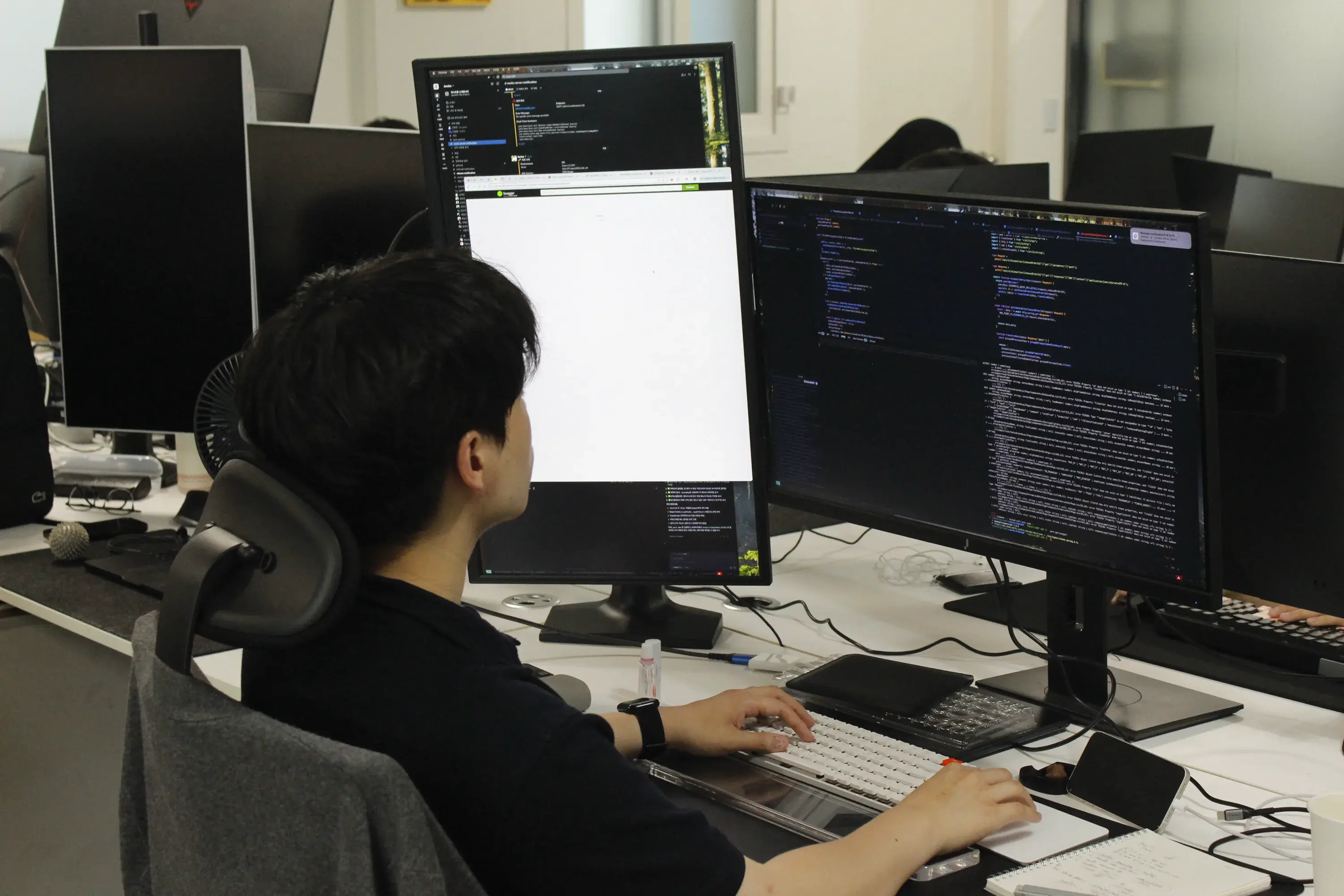
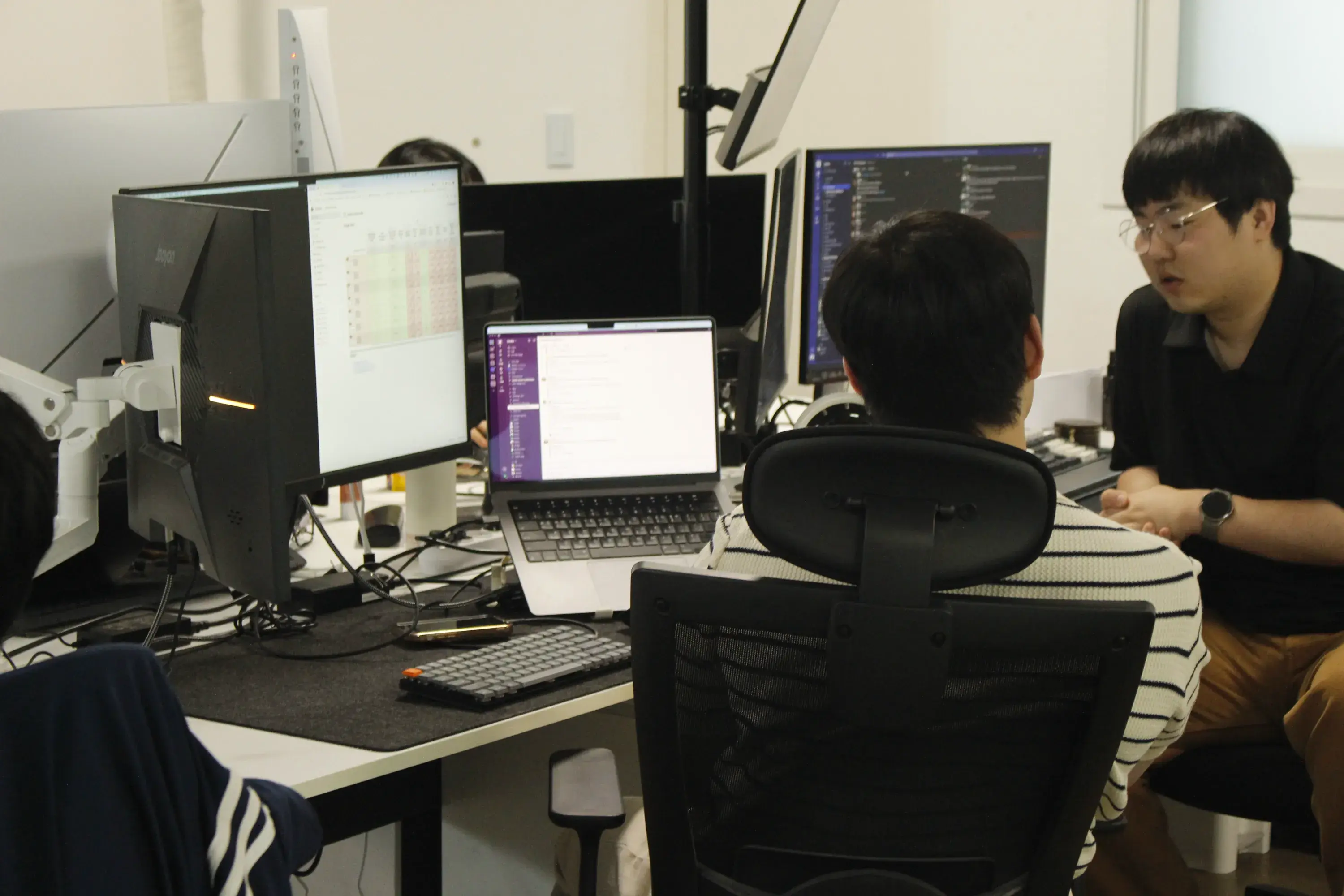
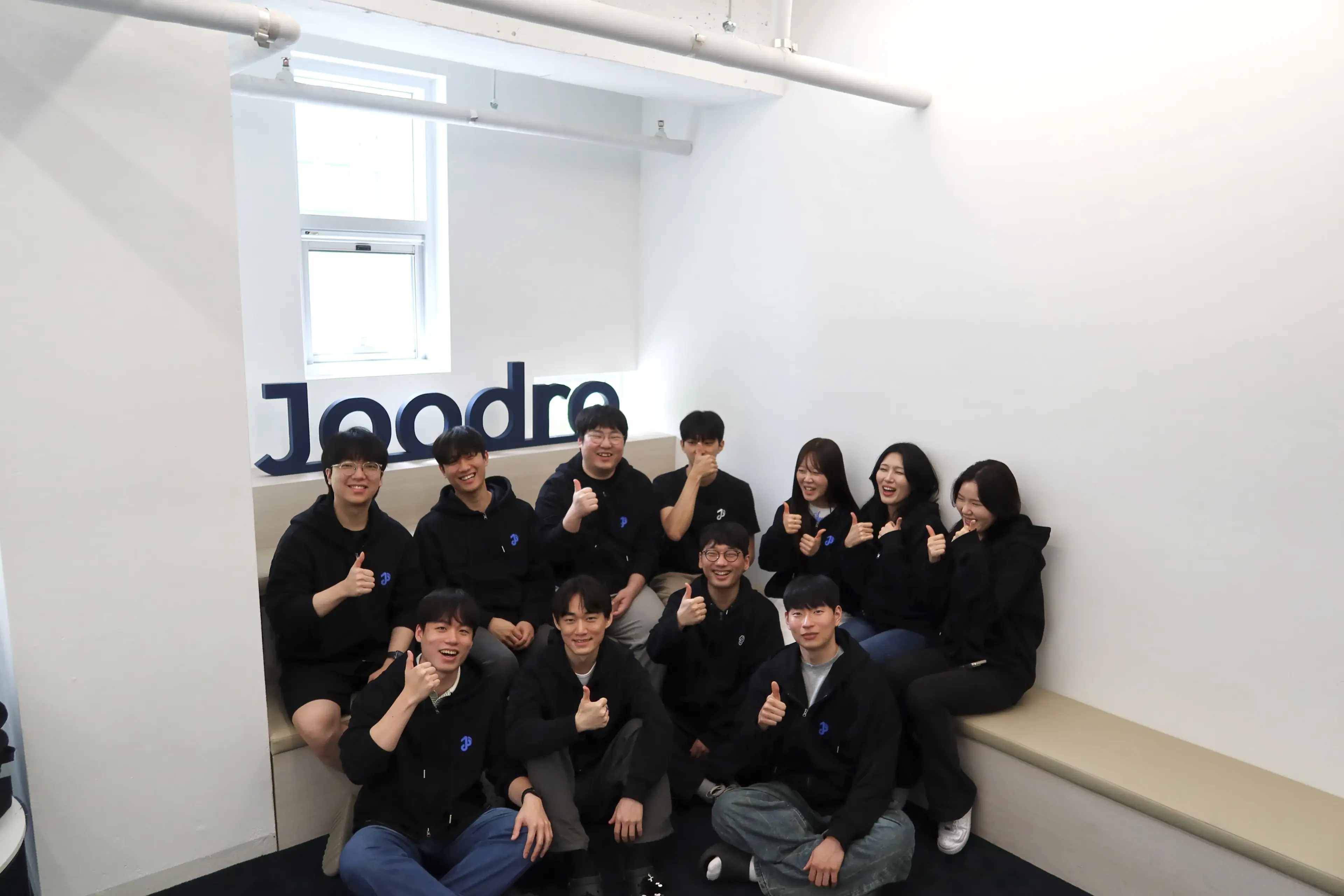
At Joodra, we work with a high degree of autonomy. That autonomy is not a lack of oversight; it rests on deep responsibility and trust. We are building a culture where everyone understands how their decisions affect the whole team, and can judge and act for themselves accordingly.
The problems we set out to solve
Instead of listing product features, we write down the problems we have defined. Wherever you work on the team, you will end up meeting one of these four.
Predicting remaining life when the history is missing
Most batteries arrive with gaps in their records: a different maker, an unknown past, uneven wear. We still have to say how much life is left, and back it with evidence. That is why the model combines electrochemistry with deep learning and stays careful when the data is thin.
Turning every vendor's signals into one language
Every BMS vendor has its own screens, fault codes, and units. Until they are normalized, an anomaly at one site cannot be compared with another, and nothing can be learned across sites. What to lift into the common layer and what to leave vendor-specific is decided again at every site.
Making one stage's decision the next stage's evidence
A battery passes through deployment, operation, and end of life, often changing owners and systems along the way. If the record breaks at a handover, the next decision starts from zero. Our work is designing data that survives every handover, so a diagnosis at deployment still informs the call at end of life.
Building software that is allowed to act on real equipment
When a battery can catch fire, finding the problem is not enough. JD EMS splits load and cuts off modules in real time, so a wrong call has physical consequences. Building control that is fast, conservative where it must be, and verifiable on site is a different discipline from building dashboards.
We go onto the site ourselves
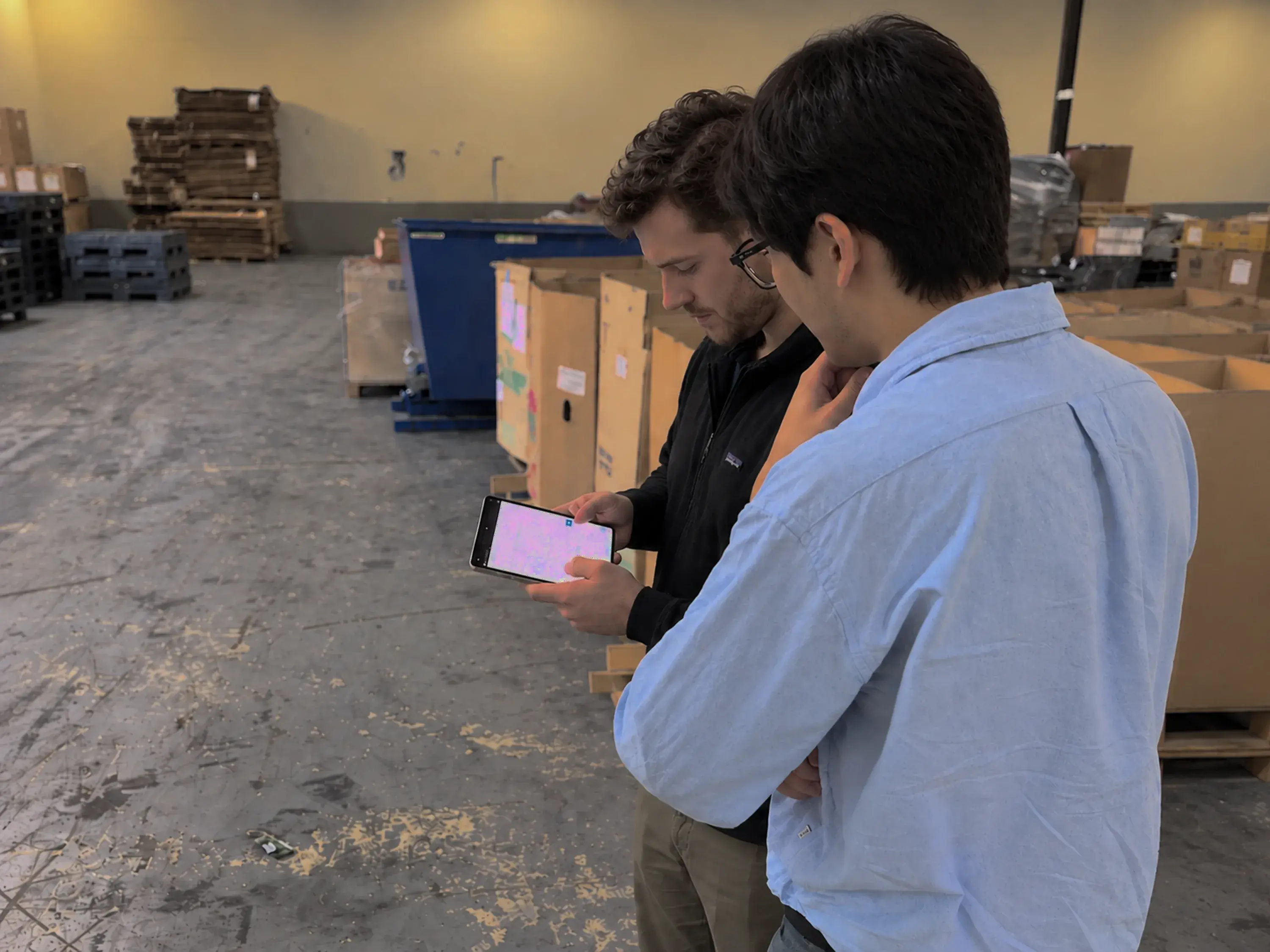
Batteries do their work in station UPS rooms, ESS containers, and recycling plants, and no two sites are set up the same way. Vendors differ, equipment differs, and so does the way each operator works. Requirements gathered away from the floor do not produce software anyone actually uses.
We do not settle for bending general-purpose software into shape. Our engineers go to the site themselves. We call the engineer who builds the product on top of the customer's operation an FDE (Forward Deployed Engineer).
It is not a role that diagnoses and hands over a proposal. Nor one that designs a structure and steps away, nor one that only carries a demo up to signature. Defining the problem, building it, confirming it runs on the site, and fixing it: all of that is the mission.
02Benefits
Benefits
We designed for focus and recovery to follow one another naturally.
Enjoying the work comes first, and we invest in growing an environment where we make each other better.
An environment for focus
- Flexible working hours
- Unlimited paid leave (bookable by the hour)
- AI tools provided (Gemini, ChatGPT, Claude)
- Unlimited coffee and snacks
Rest for recovery
- Summer and winter breaks
- Birthday leave
- Anniversary and birthday events
Support for personal growth
- Personal corporate card
- Books and courses covered
- Conference attendance covered
- Internal and external training covered
03Join our team
Join our team
7 open roles